
Cake Recipes From Every Kitchen, Researched and Explained
Cake is a sweet baked dessert, most often made from flour, sugar, fat and eggs, and raised by trapped air, steam or a chemical leavener like baking powder. Every culture has its own famous version. These cake recipes are organized two ways: by type, from butter and pound cakes to oil, fruit and cheesecakes, and by origin, starting with American heritage cakes from Amish kitchens to Chicago bakeries.
Each recipe is researched from published sources and reviewed by a professional chef. It gives weights in grams, the one step that decides how the cake turns out, the science of why it works, and fixes for a cake that sinks, dries out or turns dense.
Pick a cake type below to see which mixing method it needs, or browse every recipe in the grid.
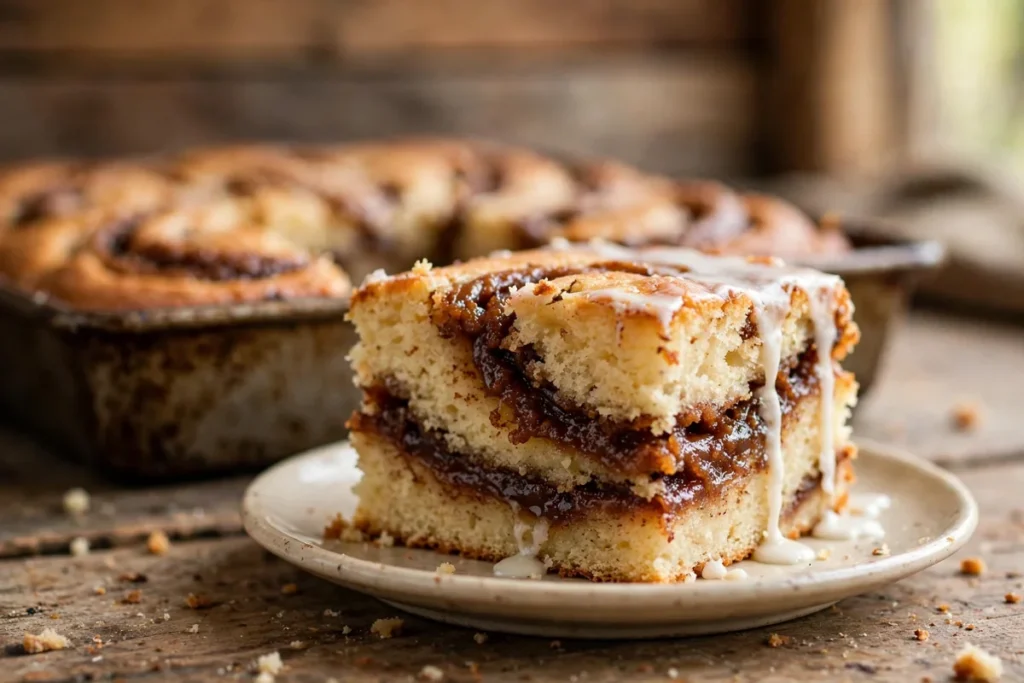
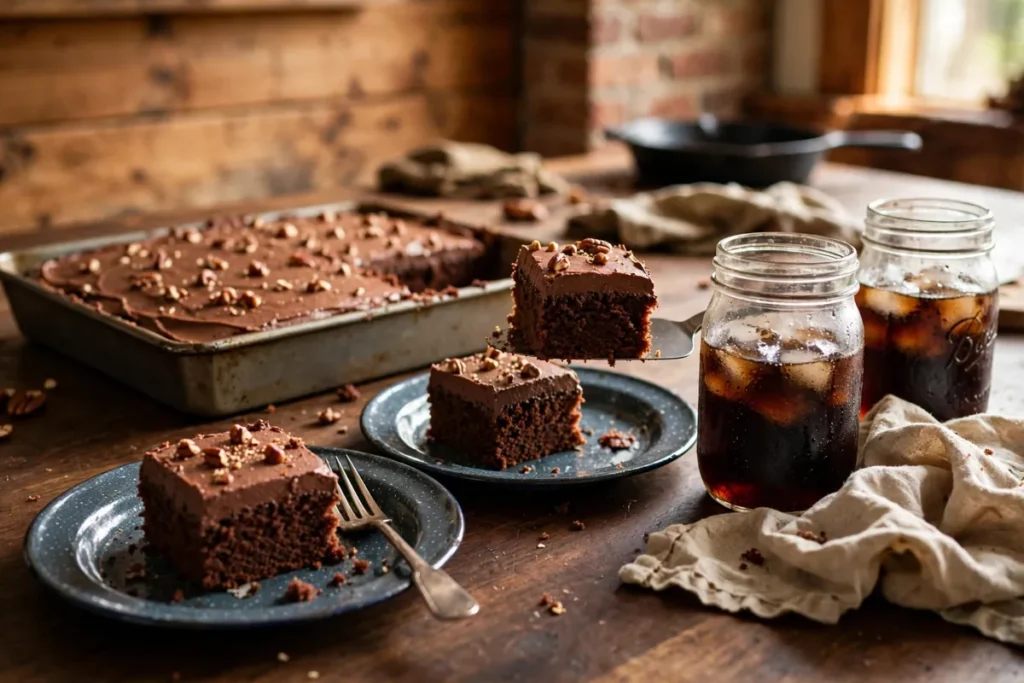

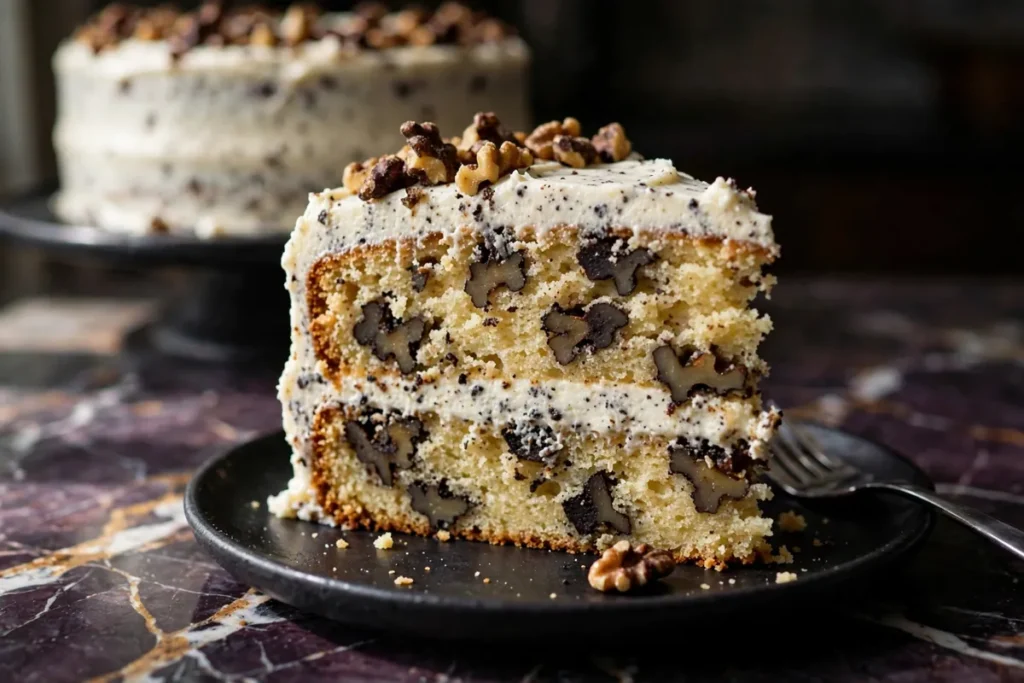
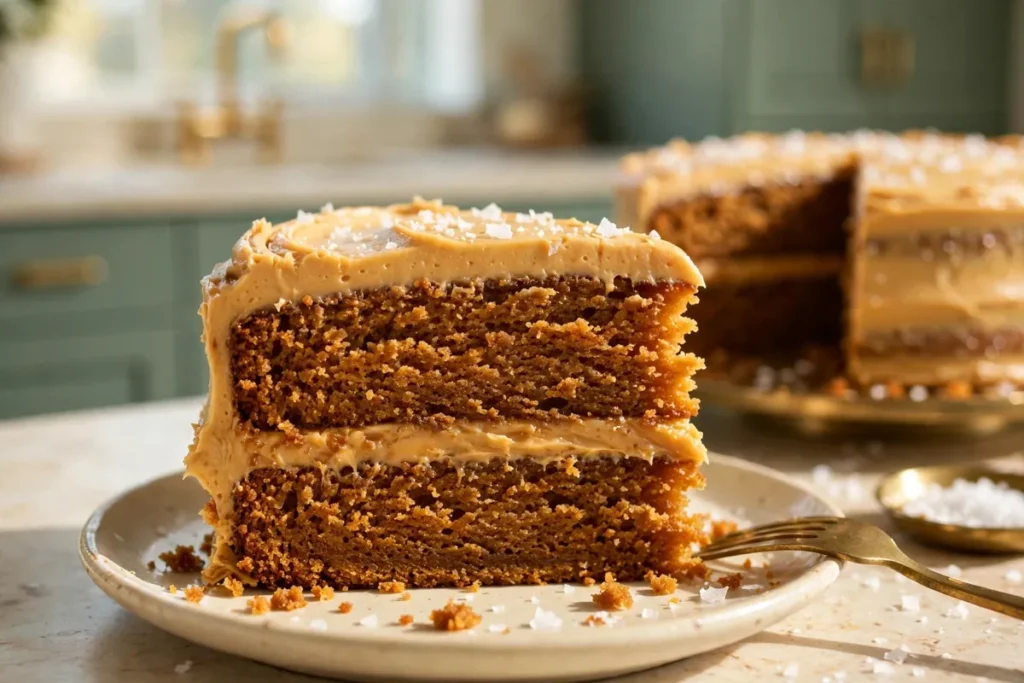






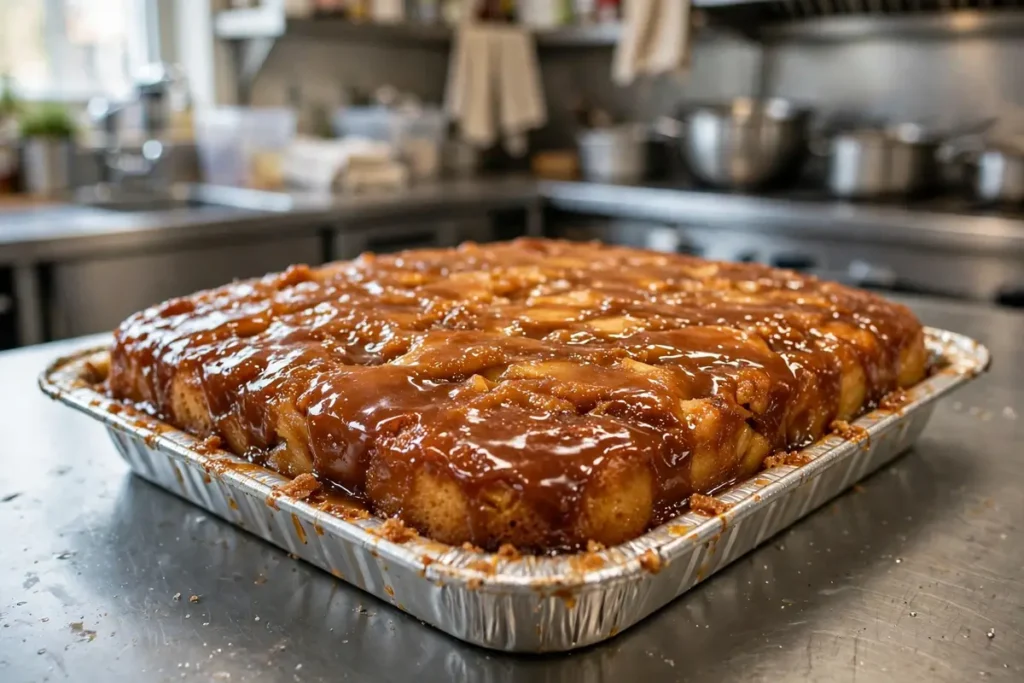
Which Cake Guides Should You Read First?
Weigh your flour and sugar with our cups to grams conversion chart, because a cup of flour can vary by 30 grams depending on how it is scooped, and that is enough to make a cake dry or dense. For layer cakes, our guide on how to frost a layer cake covers leveling, the crumb coat, chilling and getting smooth sides.
Frequently Asked Questions
A cake usually sinks because the center was underbaked, the batter had too much leavening, or the oven door was opened before the crumb set. Fruit cakes can also sink when the fruit releases water into the batter. Our post on why Amish apple cake sinks in the middle walks through a real example and the fix.
Weigh them. A cake depends on the ratio of flour, sugar, fat and eggs, and cup measures for flour can be off by 20% or more. Every recipe on Recipe Journalist lists grams first for that reason.